
Subscription Fatigue: How We Went From Community to Contracts
- Feb 11
- 4 min read

Let’s get something out of the way up front.
This didn’t happen by accident.
We didn’t wake up one morning buried in monthly fees because we suddenly became irresponsible consumers. We didn’t all collectively forget how budgeting works. We didn’t just “start buying too much stuff.

What happened is much simpler — and much more calculated.
Some of the smartest people on Earth figured out how the human brain works…and then wrapped a billing system around it. This is not about apps. It’s about architecture.
It’s about how capitalism quietly evolved from selling products to selling access, identity, relief, and permission.
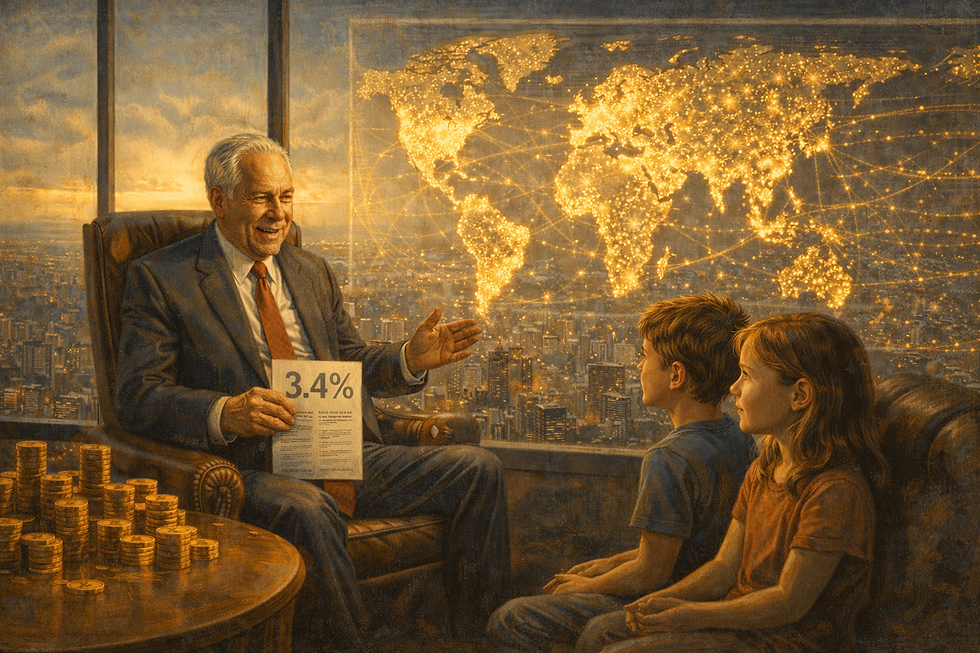
And now we live inside it.
When Life Was Shared
There was a time when infrastructure was shared.
You turned on the television and there were a handful of channels. NBC. CBS. ABC. Maybe PBS. It was free. The whole country watched the same shows. You could argue about them the next day, but at least you were arguing about the same reality.
There was one phone in the house. One bill. Everyone shared it.
We didn’t personalize every experience. We didn’t curate every feed. We didn’t build separate entertainment ecosystems inside each human being.
And somehow, civilization didn’t collapse. Shared systems are inefficient in some ways. They limit choice. They force compromise. But they create cohesion.
And cohesion is hard to monetize.
The Pivot: When Individualism Became Billable
Over the last few decades, something shifted.
Individual happiness became sacred.
Individual opinion became untouchable.
Individual choice became the highest virtue.

At first glance, that sounds like progress.
But from a business perspective, it’s a gold mine.
Shared things are difficult to sell repeatedly. Individuals are infinitely billable.
When happiness becomes personal, cost becomes personal.
When everything is customized, nothing is communal.
And once life fragments into billions of separate preference streams, the subscription model becomes inevitable.
You don’t just pay for TV anymore. You pay for your TV.
You don’t just have internet. You have internet at home, internet at work, internet on your phone, hotspot access, airplane Wi-Fi, hotel Wi-Fi.
The same pipe.S even invoices.
Connectivity turned into a toll road.
The Emotional Economy
Modern platforms don’t just sell products. They sell emotional states.
Social media agitates you. Entertainment numbs you. Influencers amplify insecurity.
Then subscriptions show up like relief pitchers.

All of it driven by a simple rule:
Engagement over everything.
Not truth. Not health. Not community.
Engagement.
If outrage keeps you scrolling, outrage wins. If anxiety keeps you subscribed, anxiety stays.
The system doesn’t need to lie to you. It just needs to keep you emotionally activated long enough to bill you again next month.
Paying for the Same Thing Over and Over
Look at something as simple as internet connectivity.
You pay for internet at home.You pay for internet at your office.You pay for internet on your phone.You pay for a second phone.You pay extra to use that same phone as a hotspot.You pay for Wi-Fi on airplanes.
You already bought access. But access keeps charging rent.
Streaming services. Cloud storage. Creative software. Music libraries you used to own physically. Banking access through mandatory debit and credit cards.

We don’t just subscribe to entertainment. We subscribe to participation.
Try living without plastic in 2025. Try renting a car, booking a hotel, running a business, or traveling without it. It’s not optional. It’s infrastructure.
And infrastructure used to be shared.
Now it’s contractual.
From Ownership to Permission
We used to buy things.
We owned music on shelves.
We owned movies on discs. We owned software outright.We owned vehicles.
Now we rent access.
Streaming licenses disappear.Cloud storage expands in tiers. Cars are leased. Software updates lock you in.
If you stop paying, you don’t just lose convenience.
You lose continuity.
You lose access.
And when access becomes identity — when your contacts, photos, communications, creative work, and financial systems all live behind subscription gates — stopping payment feels like self-erasure.
That’s not accidental design.
That’s leverage.
Why It Feels So Heavy
Subscription fatigue isn’t about one giant bill.
It’s about hundreds of small, continuous drains.
There’s no dramatic collapse. There’s no single villain twirling a mustache.
There’s just friction everywhere.

Tiny percentages. Monthly renewals. Convenience fees. Processing fees. Service charges.
Death by micro-transactions.
And all of it layered on top of a culture that trained us to live as isolated decision-makers rather than members of shared systems.

When nothing is held in common, everything must be individually maintained.
Individually funded.Individually curated.Individually defended.
That’s exhausting.
The Real Loss
This conversation isn’t just about money.
It’s about what disappeared when everything became personalized.
Shared moments. Shared reference points. Shared standards. Shared accountability.

We didn’t just move from broadcast TV to streaming apps.
We moved from community to contracts.
From collective experience to individual dashboards.
From ownership to metered access.
And that shift didn’t just drain our wallets.
It fractured our sense of common ground.
No Easy Ending
There isn’t a tidy solution at the end of this. We’re not unplugging tomorrow. We’re not tearing down modern finance. We’re not going back to rotary phones.
But we can at least recognize the pattern.

We can see that subscription fatigue isn’t laziness or overspending. It’s the logical outcome of a system that monetized individuality and wrapped billing cycles around human emotion.
When everything charges rent, exhaustion is rational.
And maybe the first step isn’t canceling another app.
Maybe it’s asking a harder question:
If civilization was built on shared systems…
What happens when nothing is shared anymore?


Comments