
Episode 14: San Francisco — The Rise, The Fall, and the Slow Crawl Back
- Apr 5
- 3 min read
There was a time when getting a retail space in Union Square or Haight-Ashbury wasn’t a business decision—it was a life milestone. You didn’t just “lease a space.” You waited. Years. Sometimes decades. And when something finally opened up, you fought for it. Multiple bidders. Real competition. Real belief in the city.
Same story in Noe Valley, 24th Street Mission District, and North Beach—neighborhoods built on identity, culture, and businesses that actually meant something to people.
That wasn’t hype. That was gravity.

Then 2020 Hit—and the Bottom Fell Out
COVID didn’t just pause San Francisco. It exposed it.
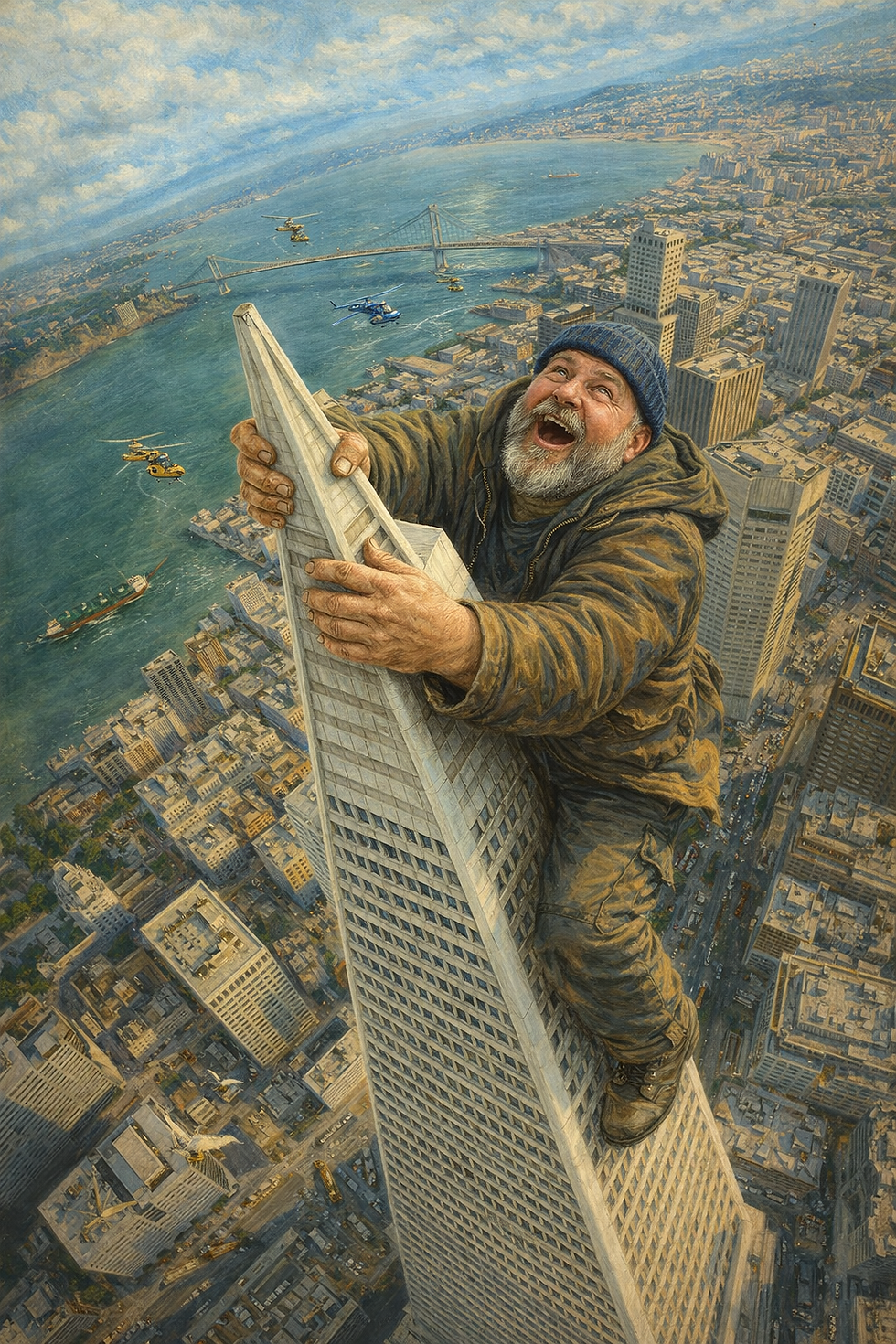
The city went all in on panic. Businesses were shut down aggressively. Hotels were repurposed. Streets changed fast—and not in a way anyone would call progress. Long-standing restaurants, some with 70 or 80 years of history, were wiped out like their legacy didn’t matter. Like they were disposable.
That part hits different.
Because once you prove to business owners that decades of work can be erased overnight, don’t act surprised when the next generation decides not to take the risk.
Add in policies that blurred the line between enforcement and suggestion—like effectively signaling that theft under a certain threshold wouldn’t be prosecuted—and you didn’t just weaken retail. You destabilized trust.
And retail runs on trust.
The Vacancy Problem No One Can Spin
Walk through Union Square today and try to convince yourself everything’s “back.”
It’s not.

Vacancies are everywhere. Not small gaps either—big, echoing, obvious emptiness. Entire stretches that used to hum now feel like placeholders for a version of the city that hasn’t shown up yet.
Here’s where it gets almost comical:
Some landlords have adjusted. You’ll see leases closer to $2 per square foot. Reality-based pricing.
Others are still asking $7, $9… like it’s 2015 and tech money is flooding the streets again.
That’s not optimism. That’s denial with a spreadsheet. And the result? Empty storefronts that stay empty because pride is apparently more valuable than occupancy.
Leadership and Accountability (The Part People Avoid)
We didn’t dance around it in this episode.
San Francisco—and California broadly—has been under consistent progressive leadership for decades. This isn’t a shared blame situation. This is ownership.
Policies have consequences. Cultural signals have consequences. Enforcement choices have consequences.

You don’t get to run the system and then act surprised when the system behaves exactly how you designed it.
“It’s Getting Better”… Is It Though?
Yes, the streets are a little cleaner right now.
But let’s not pretend everyone suddenly figured it out.
Major events roll into town, and somehow things improve overnight. Funny how that works. It raises an uncomfortable question: if the city can clean up when it wants to, what’s the excuse the rest of the time?

People aren’t blind. They notice.
The Part That Still Matters
Here’s the thing—and this is where we don’t go cynical for the sake of it.
San Francisco has fallen before.
And it’s come back before.

There’s something baked into this place—call it culture, call it geography, call it stubbornness—that refuses to let it stay down permanently. The bones of the city are still there. The history is still there. The people who actually care are still here.
But recovery isn’t automatic.
It requires:
Realistic rents
Consistent enforcement
Respect for businesses and their legacy
Leadership that values outcomes over ideology
Without that, you don’t get a comeback. You get a slow fade.
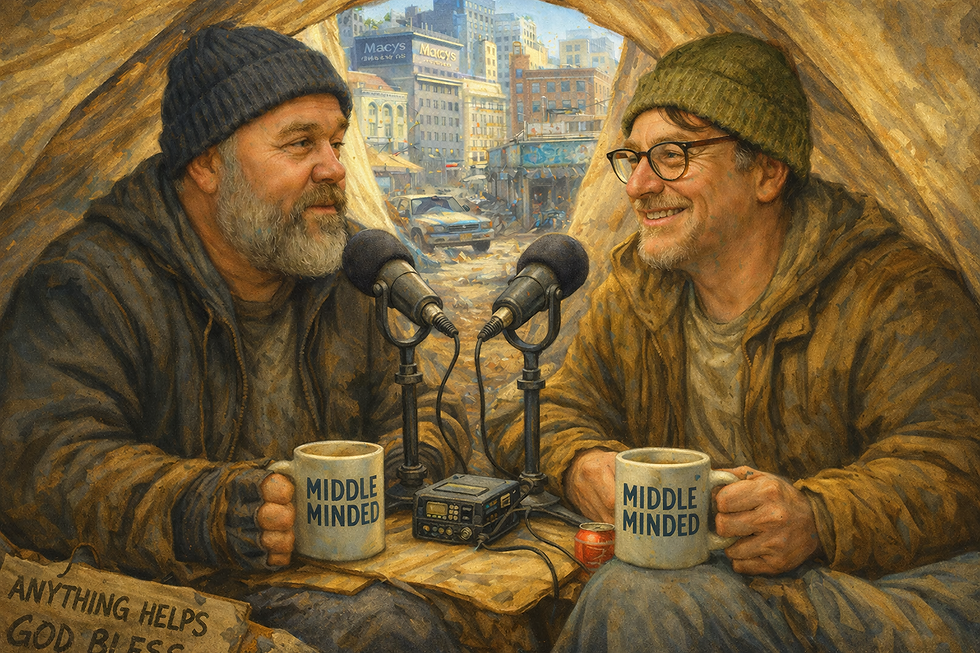
Final Thought
San Francisco isn’t dead. But it’s not what it was, and pretending otherwise is part of the problem. The city doesn’t need hype. It needs honesty. Because the same place that once made people wait decades for a storefront shouldn’t be the same place begging someone—anyone—to take one now.
That’s not a mystery. That’s a warning.
And if it’s taken seriously, it might just be the start of the next rise.


Comments